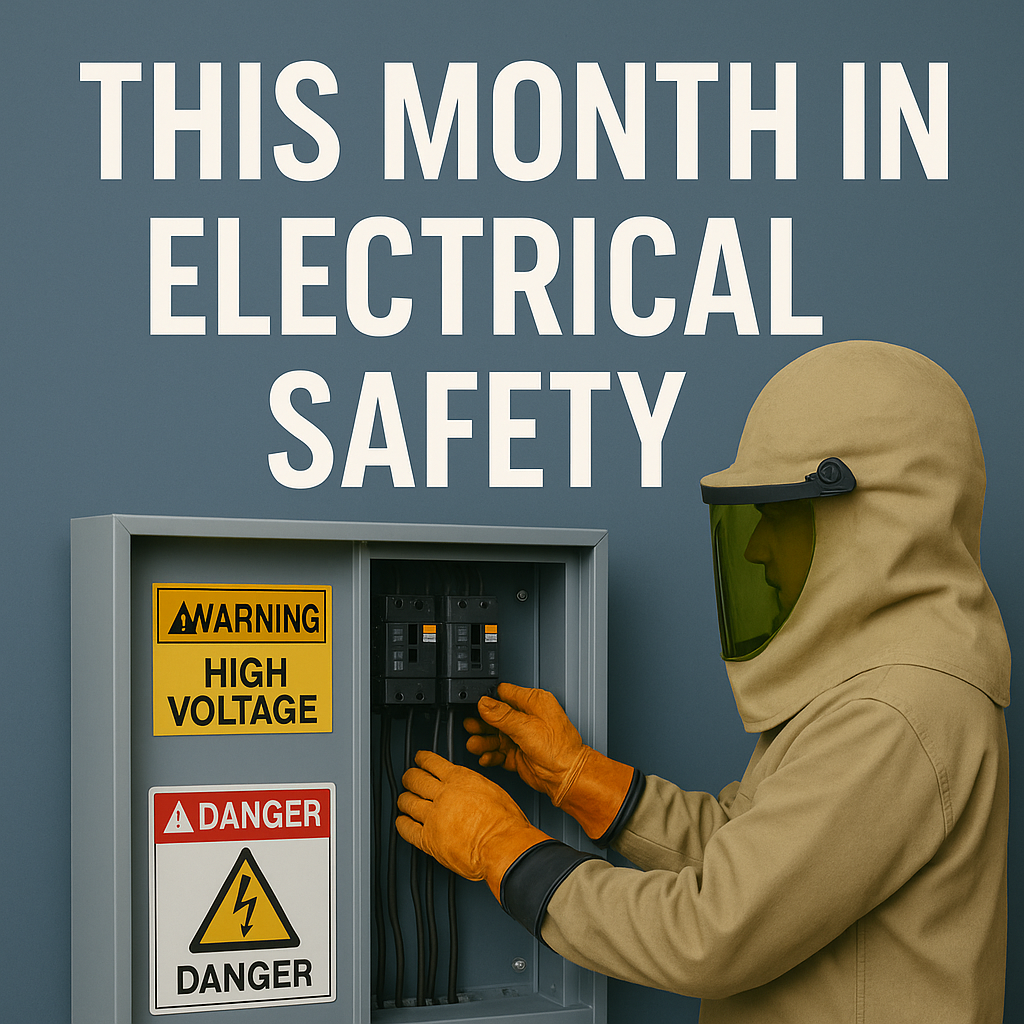
This Month in Electrical Safety: February 2026 Edition
Welcome back to This Month in Electrical Safety, where we unpack emerging regulatory shifts, consulting practice innovations, and enforcement dynamics that matter for industrial manufacturers, OEMs, and safety professionals across the United States.
February brought several noteworthy developments in electrical safety across the United States. From evolving code requirements to a renewed focus on workplace electrical hazards, safety professionals and engineers are seeing continued momentum toward stronger compliance programs and improved risk mitigation strategies.
This month’s updates highlight the ongoing importance of staying current with national codes and workplace standards. The most notable topics include updates tied to the 2026 National Electrical Code, expanded awareness around electrical hazards in industrial facilities, and the growing emphasis on performing a proper arc flash risk assessment as part of a comprehensive electrical safety program.
Let’s take a closer look at the electrical safety developments shaping February 2026.
NEC 2026 Changes Continue to Gain Industry Attention
As jurisdictions across the United States begin reviewing and adopting the 2026 edition of the National Electrical Code, contractors, engineers, and safety professionals are analyzing several updates that will influence electrical design and installation practices.
One of the most discussed changes involves improvements to arc flash labeling requirements. Under the new NEC language, equipment labels must provide more detailed safety information rather than simply displaying a generic warning. Updated labels may now include system voltage, the arc flash boundary, the calculated incident energy level or PPE requirement, and the date of the arc flash study.
This expanded labeling requirement reflects a broader industry push toward clearer hazard communication. For electricians and maintenance technicians, better labeling translates directly into safer work practices because workers can quickly identify the hazards associated with a piece of equipment before beginning maintenance.
Another trend tied to the 2026 NEC cycle is the expansion of labeling expectations across more types of electrical equipment. Switchboards, motor control centers, panelboards, and other energized equipment that may be examined or serviced while energized will increasingly require compliant safety labeling.
These changes reinforce a simple but important message: modern electrical safety programs are no longer optional extras. They are becoming foundational elements of facility operations.
The Growing Importance of Arc Flash Safety Programs
Electrical hazards remain one of the most significant safety risks in industrial and commercial facilities. Arc flash events, electric shock, and arc blast incidents continue to occur during maintenance activities, equipment troubleshooting, and system modifications.
For that reason, industry standards such as NFPA 70E continue to emphasize structured electrical safety programs that identify hazards and establish safe work practices.
A central component of these programs is conducting a formal arc flash risk assessment. This analysis evaluates available fault current, protective device clearing times, working distances, and system configuration in order to determine potential incident energy levels.
Once these hazards are quantified, employers can establish safe work procedures, determine required personal protective equipment, and implement engineering controls that reduce the likelihood of electrical injury.
Many facilities across the United States are now revisiting their studies as part of broader compliance reviews. Changes to electrical infrastructure, utility upgrades, and equipment modifications can all affect previously calculated arc flash energy levels. That means an outdated study can quickly become inaccurate.
In practical terms, electrical safety programs should treat the arc flash risk assessment as a living document that evolves alongside the facility’s electrical system.
OSHA Emphasis on Workplace Electrical Hazards
February also brought increased attention to workplace safety priorities at the federal level. As regulatory priorities shift, OSHA continues to emphasize electrical hazards as a critical area of workplace safety enforcement.
Electrical incidents often occur during routine maintenance tasks or when systems are modified without a full hazard review. Recent OSHA data shows that many incidents arise not from unusual circumstances but from everyday activities performed around energized equipment.
This reinforces the importance of core safety principles such as lockout/tagout procedures, proper worker training, and hazard identification before work begins.
NFPA 70E remains the primary consensus standard supporting OSHA electrical safety compliance. The standard outlines best practices for hazard identification, safe work procedures, and worker protection measures such as approach boundaries and PPE selection.
For organizations working toward compliance, integrating NFPA 70E guidance with a properly documented arc flash risk assessment remains one of the most effective ways to improve electrical safety performance.
Electrical Safety in 2026: A Culture Shift
Perhaps the most interesting development across the electrical industry is the cultural shift occurring around safety. Historically, electrical safety was often viewed as a regulatory burden or a checklist item.
Today, it is increasingly viewed as a critical component of operational reliability and workforce protection.
Organizations are beginning to recognize that electrical safety programs do more than prevent injuries. They also reduce downtime, improve equipment reliability, and strengthen overall facility risk management.
Modern electrical safety programs now commonly include:
-
Updated arc flash studies and equipment labeling
-
Formal electrical safety training for qualified personnel
-
Clear energized work permitting procedures
-
Regular equipment maintenance and inspection programs
When these elements work together, facilities can significantly reduce the likelihood of electrical incidents.
This Concludes Another Month in Electrical Safety.
If February’s developments tell us anything, it is that electrical safety continues to evolve quickly across the United States.
The adoption of NEC 2026 requirements, ongoing NFPA 70E updates, and increased OSHA attention all point toward a future where electrical safety programs must be more comprehensive than ever.
For engineers, facility managers, and safety professionals, the key takeaway is simple: staying proactive matters. Regular system reviews, updated documentation, and a well-executed arc flash risk assessment can make the difference between compliance on paper and real-world safety in the field.
At Lewis Bass International Engineering Services, we expect these trends to continue throughout 2026 as organizations across the country strengthen their electrical safety programs and work to keep their facilities compliant, safe, and operational.