This Month in Electrical Safety: May/June 2026 Edition
As we move through May and into June 2026, electrical safety continues to evolve across the United States.
New code adoption efforts, increased OSHA focus on electrical hazards, expanding electrification initiatives, and growing attention to equipment labeling and worker training are shaping the way facilities manage electrical risk. Manufacturers, facility operators, contractors, and safety professionals are facing increasing pressure to ensure equipment is compliant, documented, and safe for operation.
This special two month May/June edition of our ongoing blog series, This Month in Electrical Safety focuses exclusively on developments affecting the United States and highlights the trends that matter most to organizations responsible for electrical equipment, industrial machinery, and workplace safety.
May Was National Electrical Safety Month
May marked National Electrical Safety Month across the United States, an annual campaign led by the Electrical Safety Foundation International (ESFI). The 2026 campaign placed significant emphasis on NRTL certification awareness, counterfeit electrical products, EV charging safety, data center electrical hazards, and the growing need for qualified electrical workers.
The message behind this year’s campaign was clear: electrical systems are becoming more complex, and organizations must take a proactive approach to safety rather than relying on reactive measures after incidents occur.
For manufacturers and end users of industrial equipment, this serves as an important reminder that equipment compliance should never be viewed as a one-time activity. Machinery modifications, relocation projects, control panel changes, and imported equipment can all introduce new hazards that require review.
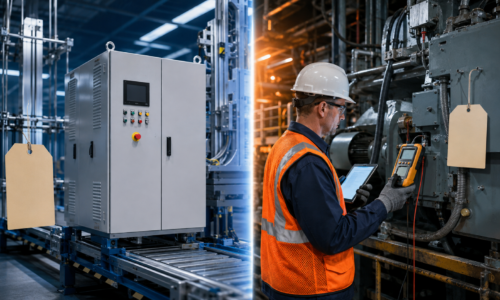
This is where an electrical field evaluation often becomes one of the most effective tools available to facility owners seeking to demonstrate compliance and reduce operational risk.
OSHA Continues Increasing Attention on Electrical Hazards
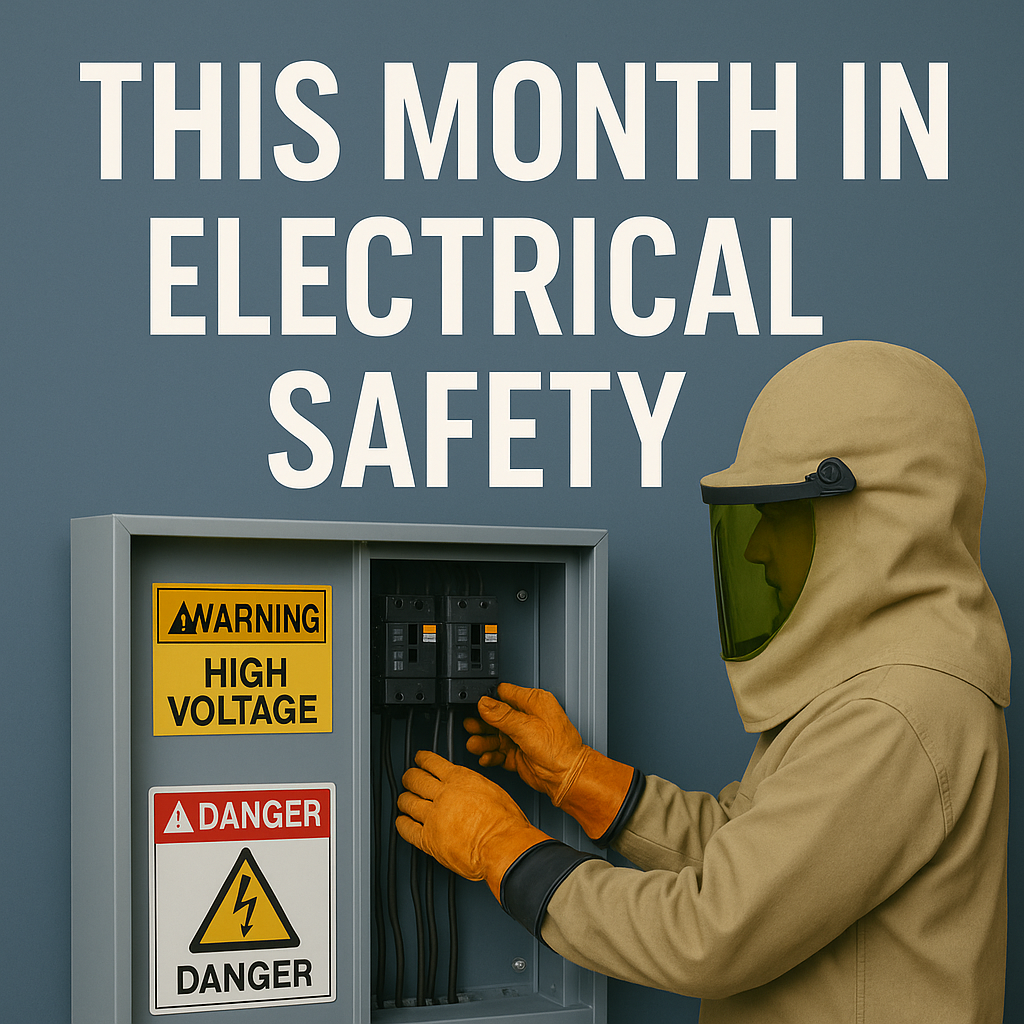
Electrical hazards remain among the most serious workplace risks in the United States. OSHA continues to emphasize protection against shock, arc flash, electrocution, fires, and explosions through both enforcement activities and educational outreach. OSHA’s electrical standards remain focused on protecting workers who interact with energized equipment in construction, manufacturing, utility, and maintenance environments.
One notable development in 2026 has been OSHA’s launch of its Electrical Roll Up Initiative. The initiative is intended to increase awareness of fundamental electrical safety principles and reinforce safe work practices throughout the construction industry.
Although many organizations associate electrical hazards with electricians alone, incident investigations consistently demonstrate that maintenance personnel, machine operators, engineers, and contractors are frequently exposed to electrical risks during routine activities.
Organizations should consider reviewing:
- Lockout/tagout procedures
- Arc flash assessments
- Electrical safe work practices
- Preventive maintenance programs
- Employee training records
- Equipment labeling compliance
A single missing warning label or undocumented modification can create substantial liability if an incident occurs.
The 2026 NEC Is Beginning to Influence Industry Practices
While adoption schedules vary by state and local jurisdiction, discussion surrounding the 2026 edition of the National Electrical Code (NEC) continues to gain momentum. Industry experts have noted increased emphasis on equipment labeling, emerging technologies, electrification infrastructure, and improved safety communication.
One area receiving significant attention is electrical equipment identification and hazard communication. As electrical systems become more sophisticated, owners and operators are expected to have greater visibility into equipment hazards and system characteristics.
For facilities operating industrial machinery, this trend reinforces the importance of maintaining accurate documentation and ensuring that equipment modifications are properly evaluated.
Organizations that purchase custom-built machinery, import equipment, or relocate systems between facilities should verify that applicable safety requirements have been addressed before equipment is energized.
In many situations, an electrical field evaluation provides a practical path for demonstrating that equipment meets applicable safety requirements when traditional product certification is unavailable.
Electrification Continues to Expand Across American Industry
One of the most significant long-term trends impacting electrical safety is the continued electrification of transportation, manufacturing, logistics, and infrastructure systems.
The rapid growth of:
- EV charging systems
- Battery storage installations
- Data centers
- Automated manufacturing equipment
- Industrial robotics
- Renewable energy integration
is creating new electrical safety challenges for facility owners and operators. NFPA has highlighted the importance of ongoing education as electrical systems become increasingly widespread and complex throughout the United States.
As facilities add new technologies, existing electrical infrastructure is often modified to accommodate higher loads, different operating conditions, or new equipment configurations.
These changes can create unintended consequences such as:
- Inadequate fault current ratings
- Improper overcurrent protection
- Arc flash exposure increases
- Grounding and bonding deficiencies
- Equipment labeling discrepancies
Many organizations discover these issues only after equipment arrives on site or during final inspections.
Proactive review before installation remains the most cost-effective strategy.
Arc Flash Awareness Remains a Top Priority
Arc flash hazards continue to receive significant attention throughout the electrical safety community.
Recent discussions surrounding NEC updates, NFPA 70E implementation, and workplace safety programs have reinforced the importance of maintaining current arc flash studies and ensuring hazard information remains accurate and accessible.
Unfortunately, many facilities still operate with arc flash studies that are years out of date.
Common causes include:
- Equipment additions
- Utility service changes
- Transformer replacements
- System reconfigurations
- Protective device modifications
When these changes occur, the assumptions used in previous studies may no longer be valid.
Accurate arc flash information is essential for determining:
- Incident energy levels
- Arc flash boundaries
- Required PPE
- Safe work procedures
Organizations planning capital improvements during the remainder of 2026 should evaluate whether their existing studies remain current.
Counterfeit and Unlisted Equipment Concerns Continue
Another topic receiving increased attention during National Electrical Safety Month was the presence of counterfeit electrical products and unlisted equipment entering the marketplace.
Global supply chain pressures have encouraged some organizations to seek alternative sourcing options for electrical components and machinery. While cost savings may appear attractive initially, equipment lacking proper evaluation can create significant compliance challenges.
This issue is particularly common with:
- Imported machinery
- Custom industrial equipment
- Prototype systems
- Research and development equipment
- Modified production machinery
Facility owners are often surprised to learn that an AHJ, insurer, or customer may require additional documentation before such equipment can be approved for operation.
When listing marks are unavailable, an electrical field evaluation can frequently provide the documentation needed to demonstrate compliance with applicable safety standards.
Training Continues to Be One of the Most Effective Safety Investments
Despite advances in technology, safety still depends heavily on people.
OSHA, NFPA, and industry organizations continue emphasizing the importance of electrical safety training as a foundational element of workplace risk reduction.
Organizations should evaluate whether personnel receive training appropriate to their responsibilities.
Examples include:
- Qualified electrical worker training
- Arc flash awareness
- Lockout/tagout procedures
- NFPA 70E requirements
- Emergency response procedures
- Equipment-specific safety practices
Training should not be viewed as a once-per-year requirement. As equipment changes, personnel responsibilities evolve, and new technologies are introduced, training programs should be updated accordingly.
Facilities that integrate training with preventive maintenance and compliance reviews generally achieve better long-term safety outcomes.
Looking Ahead to Summer 2026
As we move deeper into the summer months, electrical safety professionals should expect continued discussion surrounding NEC implementation, electrical worker shortages, electrification projects, and equipment compliance verification.
Organizations planning facility expansions, machinery upgrades, production line modifications, or equipment imports should begin evaluating potential compliance requirements before equipment arrives on site.
Addressing compliance concerns early often prevents costly project delays, failed inspections, and unexpected corrective actions.
For many facilities, the most effective approach combines:
- Preventive maintenance
- Arc flash analysis
- Employee training
- Documentation management
- Compliance reviews
- Electrical equipment inspections
When custom, imported, or modified equipment is involved, an electrical field evaluation can help provide confidence that safety requirements have been properly addressed.
Final Thoughts
May and June 2026 have reinforced a message that continues to resonate across the United States: electrical safety is no longer just a regulatory obligation. It is a business necessity.
Whether the topic is arc flash protection, equipment labeling, worker training, NEC compliance, or emerging electrification technologies, organizations that invest in proactive safety programs are better positioned to protect employees, avoid downtime, and maintain operational continuity.
As electrical systems continue to grow in complexity, the importance of accurate documentation, qualified personnel, and thorough compliance verification will only increase.
At Lewis Bass, we continue to help manufacturers, facility owners, machine builders, and end users navigate these challenges through field evaluations, electrical inspections, arc flash studies, thermography services, and compliance consulting throughout the United States.
Stay safe, stay compliant, and we’ll see you next month.